
Carpet Underlay Explained: What It Is, Why It Matters, and How to Choose
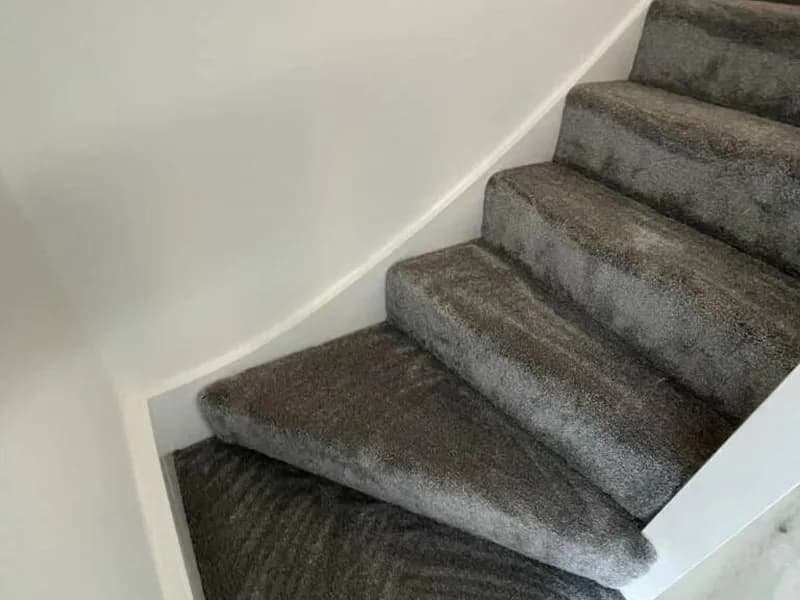
Carpet underlay is the cushioned layer fitted between your floorboards and your carpet — and it does more for comfort, warmth, and carpet lifespan than most people realise. Here is what it does, the four main types, and how to choose the right one.
What Is Carpet Underlay?
Carpet underlay is the cushioned layer fitted between your subfloor (the floorboards or concrete) and your carpet. It is usually made from polyurethane foam, sponge rubber, crumb rubber, or felt, and comes in rolls that are cut to fit the room before the carpet goes down on top. The carpet is then stretched over gripper rods around the edge of the room, with the underlay providing the springy layer beneath. You never see underlay once the job is done, which is exactly why it gets overlooked — but it determines how the carpet feels underfoot, how warm the room is, how much sound travels between floors, and crucially how long the carpet itself lasts. A quality underlay extends carpet life by 30 to 40%. If you have ever walked on a carpet that felt unexpectedly luxurious, the secret was probably under it.
The Five Jobs Underlay Actually Does
First, comfort: underlay provides the give beneath your feet — without it, even a deep pile carpet feels hard and flat. Second, carpet protection: every footstep grinds carpet fibres against the floor beneath; underlay absorbs that impact, which is why carpet laid without it wears out dramatically faster. Third, insulation: a good underlay measurably improves the thermal performance of a floor, keeping heat in the room rather than losing it through the floorboards — noticeable in older Liverpool terraces with draughty suspended floors. Fourth, sound: underlay dampens both impact noise (footsteps heard in the room below) and airborne sound, which is why flats and HMO landlords often have minimum underlay requirements. Fifth, evenness: underlay smooths over minor imperfections in old floorboards, stopping nail heads and board joints from telegraphing through to the carpet surface as visible lines and wear spots.
The Four Main Types of Underlay
PU (polyurethane) foam is the modern default — light, springy, excellent comfort and insulation ratings, made largely from recycled foam, and the best all-rounder for bedrooms, lounges, and most homes. Sponge rubber is the traditional choice — heavier, very durable, with a firmer, more supportive feel that suits busy areas and people who prefer a less bouncy floor. Crumb rubber, made from recycled tyres, is the heavy-duty option — extremely dense and crush-resistant, the right answer for stairs and high-traffic hallways where softer underlays flatten over time, though it offers less cushioning. Felt underlay, made from compressed fibres, is the heritage option — firm, flat, and good under woven carpets and in period properties, sometimes combined with rubber in a felt-rubber hybrid. There is no single best type: the right underlay depends on the room, the carpet going over it, and how the space is used.
What Is the Best Underlay for Carpet?
For most rooms in most homes, a quality PU foam underlay is the best choice — the comfort, insulation, and durability balance suits bedrooms, lounges, landings, and dining rooms. For stairs, choose density over softness: a dense PU foam or crumb rubber underlay holds its structure under the concentrated wear that stairs deliver, where a soft bouncy foam would flatten and leave the carpet loose within a few years. For rooms above garages or with cold subfloors, prioritise the thermal rating (the tog value, like a duvet). For flats and upstairs rooms where noise travels, prioritise the impact sound rating. And under cheaper carpets, do not be tempted to economise twice: a better underlay genuinely upgrades how a budget carpet feels and performs — most fitters would rather lay a modest carpet over good underlay than the reverse.
How Thick Should Underlay Be?
Common underlay thicknesses run from around 7mm up to 11mm or more. Thicker is not automatically better — it is a comfort and application question. For bedrooms and lounges, 9 to 11mm gives that deep, luxurious feel underfoot. For stairs, stick to 7 to 9mm in a dense product: very thick underlay on stairs makes the carpet harder to stretch correctly and can leave the nosing feeling unstable. For rooms with doors that already brush the floor, total build-up height matters — carpet plus underlay together typically adds 15 to 20mm, and doors sometimes need trimming to clear it, which a good fitter will flag at measuring stage rather than on fitting day. If you are pairing underlay with laminate rather than carpet, the rules change completely: laminate uses its own thin, firm underlay designed for rigid boards, never carpet underlay.
Can You Reuse Old Underlay?
Usually no, occasionally yes. Underlay compresses with years of use — the springiness that protects the new carpet is exactly what wears out in the old underlay, even when it looks intact. Laying fresh carpet over tired underlay is how a brand-new carpet ends up feeling five years old on day one, and it can void the carpet warranty in some cases. The exception: if the existing underlay is genuinely recent, a quality product, dry, and undamaged — for example when a nearly-new carpet is being replaced early for decorating reasons — reuse can be sensible, and an honest fitter will tell you so rather than selling you what you do not need. What should never be reused: underlay with damp history, crumbling foam, flattened paths worn in walkways, or anything in a room that has had a leak. When we measure, we check the existing underlay and give you a straight answer either way.
Get It Right the First Time
Underlay is fitted once and lives under your carpet for its entire life — getting it right costs little and pays back every single day. At Princess Flooring we include quality underlay in our all-inclusive carpet quotes as standard, and we will recommend the right type and thickness for each room rather than a one-size-fits-all roll. Visit our Lodge Lane showroom in Liverpool to feel the difference between underlay grades for yourself — it is far more obvious underfoot than on paper — or call 0151 709 4943 to book a free home measure anywhere across Merseyside. We measure, check your existing underlay honestly, and quote carpet, underlay, grippers, and fitting in one written figure with no hidden extras.
Explore Our Flooring Services
Everything below is supplied and professionally fitted by our Lodge Lane team, with free home measuring across Liverpool and Merseyside.
Need Help Choosing Your Flooring?
Visit our showroom on Lodge Lane or call for a free, no-obligation quote.
Call 0151 709 4943