Saxony, Berber, Twist or Loop? Carpet Types Explained
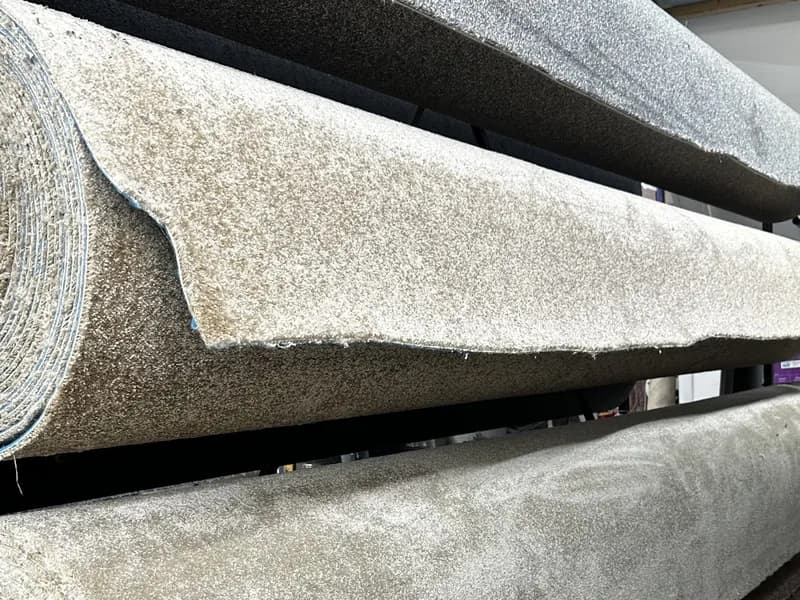
Twist, loop, saxony, Berber — carpet shopping comes with its own vocabulary. Here is what each pile type actually means, how wool and polypropylene fibres compare, and which combination suits each room of a typical home.
Carpet in Two Decisions: Pile and Fibre
Every carpet on the market is a combination of two choices: the pile (how the fibre is constructed — twist, loop, saxony, or Berber) and the fibre itself (wool, polypropylene, or a blend). The pile determines how the carpet looks and feels; the fibre determines how it wears, cleans, and costs. Once you understand those two axes, the wall of samples in any carpet shop stops being overwhelming: a twist pile in polypropylene is the hard-wearing family all-rounder, a saxony in wool is the luxury bedroom choice, a loop pile reads modern and architectural, and a Berber brings texture and a natural look. The rest of this guide takes each pile type in turn, then the fibres, then matches them to the rooms of a typical home — including the one question we get asked most: which carpet survives children, dogs, and real life?
Twist Pile: The UK Favourite
Twist pile carpet is the most popular construction in the UK, and for good reason. The fibres are tightly twisted and then cut, which makes the pile dense, springy, and resilient — it bounces back from footsteps rather than flattening, hides vacuum marks and footprints, and copes with everyday traffic better than any other cut pile. Twists come in plain colours and flecked (heathered) finishes; the flecked versions are particularly forgiving in family homes because the colour variation disguises bits, marks, and the general evidence of living. Twist works everywhere: lounges, bedrooms, stairs, landings, and hallways. If you want one carpet running through the whole house — a popular choice for that calm, continuous feel — a mid-weight flecked twist in a wool blend or quality polypropylene is the safe, sensible answer that still looks good a decade in.
What Is Saxony Carpet?
Saxony is the deep, soft, luxurious one. The pile is longer than a twist, cut, and finished so the fibres stand up with a smooth, velvety surface — it is the carpet your feet sink into, the one that makes a bedroom feel like a hotel suite. That softness comes with honest trade-offs: saxony shows footprints and vacuum lines (some people love the freshly-hoovered stripes, some hate them), it flattens in concentrated traffic lanes, and the long pile holds crumbs and pet hair more than a short dense twist. The verdict is simple: saxony belongs in bedrooms, dressing rooms, and adult lounges where comfort is the priority and traffic is gentle. It does not belong on stairs, in hallways, or in dining rooms under chair legs. Choose a heavier pile weight if you want the deep look to last, and pair it with a quality underlay to protect that softness.
Berber and Loop Pile: Texture and Toughness
Loop pile carpet keeps the fibre in continuous uncut loops, creating a flatter, denser, more textured surface that reads modern and tailored — popular in home offices, studies, and contemporary lounges. Berber is the best-known loop style: traditionally a chunky, knobbly loop in natural oatmeal tones with dark flecks, now available in many colours. Loops are extremely hard-wearing because the fibre tips are never exposed, and they disguise tracking well. Two caveats worth knowing before you buy. First, claws: cats especially can catch and pull loops, and one pulled loop can run like a ladder in tights — households with scratchy pets are usually better with a cut pile. Second, comfort: loops feel firmer underfoot than cut piles, which suits hallways and offices but feels less cosy in a bedroom. A flecked Berber on a busy staircase, though, is one of the most durable choices there is.
Wool vs Polypropylene (and What Polypropylene Actually Is)
Polypropylene is a synthetic fibre engineered for carpets — and the reason budget carpet got good. Its superpower is that the colour is locked into the fibre itself, so it is effectively stain-proof and famously bleach-cleanable: spills, mud, and even the worst pet accidents clean up with diluted bleach without the colour lifting. It is the default recommendation for rentals, kids rooms, and high-chaos households. Its trade-offs: it feels slightly less luxurious than wool and the pile recovers less over decades. Wool is the natural premium fibre — softer, warmer, naturally flame-retardant, resilient for 20 years and more, and it ages gracefully — but it costs more and cannot be bleach-cleaned. The 80/20 wool-polypropylene blend is the classic compromise and our most-recommended fibre for whole-house carpeting: wool feel, synthetic forgiveness. There is no wrong answer, only a wrong match to the room and the household.
Which Carpet Type for Which Room?
Bedrooms: saxony in wool or a blend for maximum softness, or a mid-weight twist if you prefer practicality — and polypropylene in kids rooms, where bleach-cleanability earns its keep weekly. Lounges: twist for family rooms, saxony for grown-up comfort, loop for a contemporary look. Stairs and landings: the toughest brief in the house — a dense twist or Berber loop in a blend or hard-wearing polypropylene, in a flecked finish that hides wear lanes; this is where pile density matters most and where saxony should never go. Hallways: as stairs — dense, flecked, forgiving. Home offices: loop pile handles chair castors and reads professional. Dining rooms: short dense twist, easy to clean under the table. If one carpet must do the whole house, a flecked mid-weight twist in an 80/20 blend is the perennial answer — and if you are unsure, this is exactly the conversation to have stood in front of the samples.
Feel the Difference at Our Lodge Lane Showroom
Pile types make sense in seconds underfoot in a way no article can replicate — a saxony and a Berber feel like different products entirely, and pile weight differences are obvious the moment you press a hand into two samples side by side. Our Liverpool showroom on Lodge Lane stocks hundreds of carpets across every pile type and fibre: plain and flecked twists, deep saxonies, Berbers and structured loops, in pure wool, 80/20 blends, and bleach-cleanable polypropylene. Take samples home, test them against your light and your decor, and when you are ready we will measure your rooms for free anywhere across Liverpool and Merseyside and give you a written all-inclusive quote — carpet, underlay, grippers, fitting, uplift, and disposal in one honest figure. Call 0151 709 4943 or visit us six days a week.
Explore Our Flooring Services
Everything below is supplied and professionally fitted by our Lodge Lane team, with free home measuring across Liverpool and Merseyside.
Need Help Choosing Your Flooring?
Visit our showroom on Lodge Lane or call for a free, no-obligation quote.
Call 0151 709 4943