
How to Lay Vinyl Flooring: Sheet, Click and Glue-Down Explained
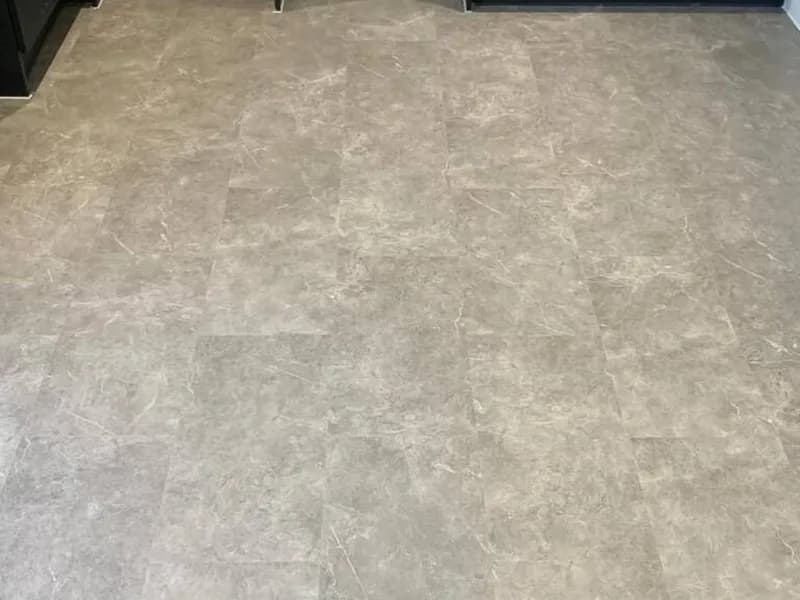
Laying vinyl flooring well comes down to one unglamorous truth: the floor underneath decides the result. Here is how the three vinyl systems — sheet, click, and glue-down — are laid step by step, on floorboards or concrete, and when the job is better left to a professional.
Before Anything: The Subfloor Decides Everything
Whatever vinyl you are laying — sheet, click, or glue-down — the result is decided before the first piece goes down. Vinyl is thin and follows the surface beneath it exactly: every nail head, board joint, and dip in the subfloor will eventually print through to the surface as a visible line or a wear spot. So preparation is the job. On floorboards: secure loose boards, punch nail heads below the surface, and overlay the whole floor with 6mm plywood screwed down on a tight grid — this gives vinyl the smooth, stable base it needs. On concrete: check for damp (a sheet of polythene taped down overnight tells you — condensation underneath means a damp problem to solve first), then level dips and humps with a self-levelling compound. The room should also acclimatise: leave the vinyl in the room for 24 to 48 hours before laying so it settles to the temperature it will live at.
Laying Sheet Vinyl, Step by Step
Sheet vinyl comes in wide rolls and is laid in one piece where possible. First, make a template or measure precisely: in small bathrooms, a paper template of the whole floor (taped sheets of paper or card, cut exactly to the room) turns an awkward shape into an easy transfer. Second, cut the sheet generously — leave 5 to 10cm of excess running up each wall. Third, position the sheet, working it flat from the centre outwards so no air is trapped. Fourth, trim: press the vinyl into the wall junction with a straight edge and cut along it with a sharp knife, leaving a small expansion gap that the skirting or beading will hide. Fifth, fix: small bathrooms can often be laid loose or with double-sided tape at edges and doorways; larger rooms and busy spaces should be fully adhered with vinyl adhesive spread with a notched trowel. Finish with a sealant bead in wet areas and thresholds at doorways. One person can lay a small bathroom in a morning; rooms needing joins between sheets are where DIY usually ends, because pattern-matched, heat-sealed joins are skilled work.
Laying Click Vinyl (LVT), Step by Step
Click LVT floats over the subfloor like laminate, and the method will feel familiar to anyone who has laid it. First, check whether your product needs a separate underlay — many rigid-core SPC planks have backing attached, and adding a soft underlay underneath a product that does not want one causes joint damage. Second, plan the layout: planks should run with the light or along the longest wall, the first and last rows should be a similar width, and joints must stagger by at least 30cm row to row. Third, lay the first row with the cut edge to the wall, keeping the expansion gap the manufacturer specifies — vinyl moves with temperature, and the gap stops summer buckling. Fourth, work across the room, angling and clicking each plank into the previous row and tapping joints closed with a tapping block, never a bare hammer. Cut planks score-and-snap with a knife — no saw needed, no dust. Fifth, finish with beading or skirting and thresholds. A confident DIYer can click-lay a typical lounge in a day; bays, pipes, and doorframes are where patience earns the result.
Glue-Down Vinyl: Know What You Are Taking On
Glue-down LVT gives the most stable, most permanent result — and it is the least forgiving installation of the three. The subfloor standard is higher: glue-down tolerates almost no unevenness, so plywood or a freshly levelled screed is effectively mandatory. The process: snap chalk lines so the first row is dead straight (walls are never straight), spread the adhesive with the correct notched trowel over a workable area, observe the open time — the adhesive must flash off to tacky before planks go down — then lay each plank precisely, because repositioning smears adhesive into joints. The floor is then rolled with a weighted roller to bed every plank, and kept free of traffic while the adhesive cures. Done well, it is the best floor in the house and the system we recommend for kitchens, bathrooms, and underfloor heating. Done badly, the failures are expensive: planks that creep, lifting edges, and adhesive in the surface texture. Of the three systems, this is the one where professional fitting most clearly pays for itself.
Floorboards or Concrete: The Two Base Cases
On suspended timber floors — most Liverpool terraces and semis — the non-negotiable step is the plywood overlay. Boards cup, flex, and move seasonally, and vinyl laid straight over them telegraphs every board within months. 6mm ply, screwed (not nailed) every 15 to 20cm, joints staggered, creates the stable raft vinyl needs. Check ventilation too: airbricks below a suspended floor must stay clear, because sealing a damp void under a waterproof floor pushes moisture problems elsewhere. On concrete — extensions, kitchens, ground floors of newer builds — the enemies are damp and unevenness. A damp-proof membrane matters under any vinyl on ground-floor concrete; moisture rising into adhesive is a classic failure. Self-levelling compound deals with undulations, and it is a genuinely DIY-able product on small areas if you work fast and mix accurately. Radiator pipes, doorframes, and stone thresholds all reward template-making over bravado. If reading this paragraph felt like a lot — that instinct is correct, and it is the honest pitch for the next section.
DIY or Professional? An Honest Decision Guide
Fair DIY territory: a small, square-ish bathroom in loose-lay or taped sheet vinyl; a bedroom or simple lounge in click LVT; a utility room where perfection matters less. Professional territory: glue-down LVT anywhere; sheet vinyl needing joins or templated around sanitaryware; herringbone-pattern LVT, where the setting-out alone takes experience; kitchens, where appliance and unit cuts multiply; any floor with damp history; and commercial or safety vinyl, where heat-welded seams and coved skirting are specialist work with compliance implications. The honest economics: vinyl materials are not the expensive part of a vinyl floor — the preparation and fitting are where the quality lives, and a botched DIY job usually costs more to put right than professional fitting would have cost first time, because the materials rarely survive being lifted. There is no shame in either answer; just match the method to the room and your patience.
Fitted Properly, First Time, Across Liverpool
Princess Flooring has been fitting sheet vinyl, click LVT, and glue-down LVT across Liverpool and Merseyside for over 16 years — including the unglamorous parts that make floors last: plywood overlays, self-levelling, damp checks, and honest advice about which system suits each room. Our free home measuring visit includes a proper look at your existing subfloor, and our written quotes are all-inclusive: preparation, materials, underlay where needed, fitting, thresholds, and waste disposal in one figure with no surprises. Whether you want full supply-and-fit, or you would simply like a professional opinion before committing to a DIY weekend, call 0151 709 4943 or visit our Lodge Lane showroom — we stock sheet vinyl, click LVT, and glue-down ranges side by side so you can compare exactly what you would be working with.
Explore Our Flooring Services
Everything below is supplied and professionally fitted by our Lodge Lane team, with free home measuring across Liverpool and Merseyside.
Need Help Choosing Your Flooring?
Visit our showroom on Lodge Lane or call for a free, no-obligation quote.
Call 0151 709 4943